CGHS & RWA Water Tank Cleaning Rules for Delhi Societies
Who is responsible for the society tank, what the bye-laws usually say, and how committees protect themselves.
The most common dispute we see in Delhi group housing is not about cost. It is about who was supposed to book it.
Where responsibility sits
| Asset | Usually responsible |
|---|---|
| Underground reservoir (UGR) | Society / AOA — common asset |
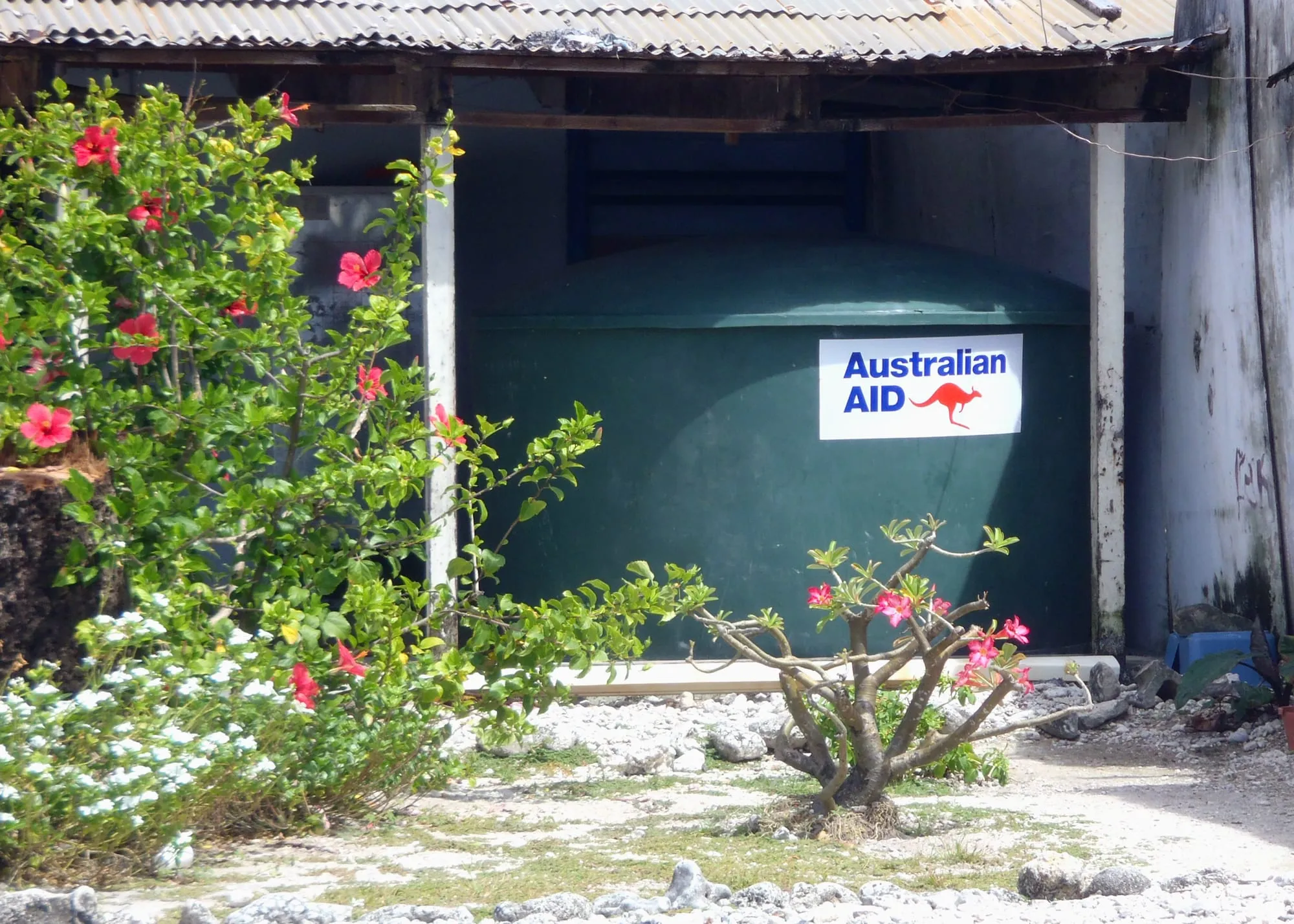
| Block overhead tank | Society / AOA — serves multiple flats |
| Individual flat tank | The flat owner |
| Distribution pipework | Society up to the flat inlet |
| Tenanted flat’s own tank | Owner, unless the lease shifts it |
Anything serving more than one household is a common asset, and maintaining common assets is the managing committee’s job under standard CGHS and cooperative-society bye-laws. That is not a grey area, and committees that treat it as one carry the exposure personally.
What a defensible committee record looks like
- A resolution setting the cleaning frequency — twice a year is the usual minimum
- A tank inventory: every tank and sump, by block, with capacity
- A dated service report per round naming each tank cleaned
- Before-and-after photographs retained with the report
- GST invoices filed against the maintenance account
- Resident notice sent 48 hours before each round
Scheduling a round without a revolt
Stagger blocks so no resident is dry for more than a couple of hours, run it on a weekday morning, and clean the UGR before the overhead tanks — never the reverse, or you have paid to move silt upstairs. Tell residents the window in advance and the complaints mostly do not happen.
When residents pay separately
In societies where individual flats have their own tanks, run the common round first and offer residents a same-day rate for their individual tanks. It is cheaper for them because the crew and equipment are already on site, and it means the whole building is clean at once rather than in fragments.
Keep Reading
How Often Must You Clean a Water Tank in Delhi? Law & Practice
What is actually mandated, what is only recommended, and the interval that makes sense for your specific water source.
3 min read

Restaurant Water Tank Cleaning & FSSAI Checklist for Delhi
What an FSSAI inspector looks for regarding your water storage, and the records to have ready before they ask.
3 min read
Hospital Water Tank Cleaning & NABH Hygiene Norms in Delhi
Water safety in a healthcare facility is an infection-control matter. What NABH expects, and how cleaning fits the plan.
3 min read