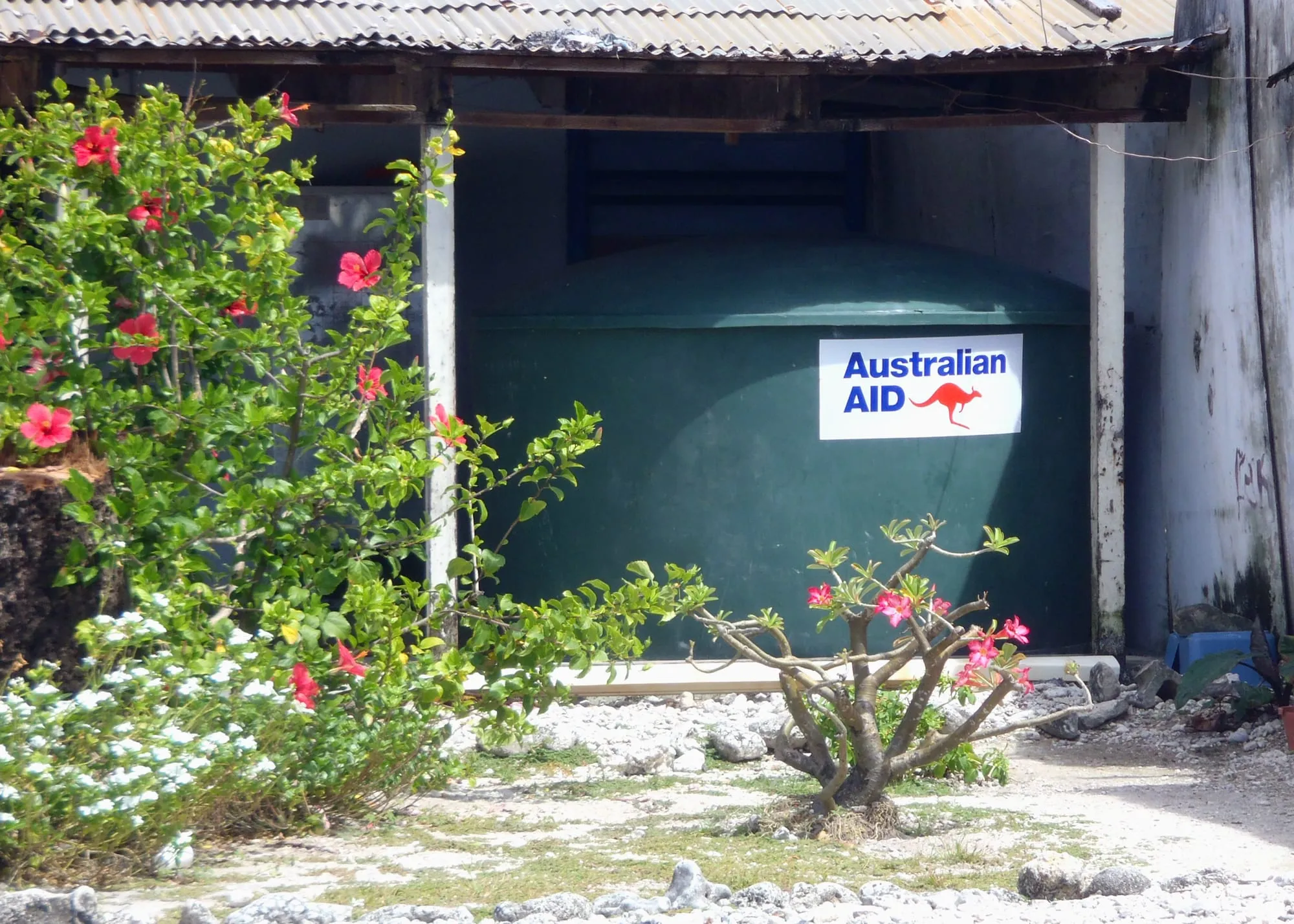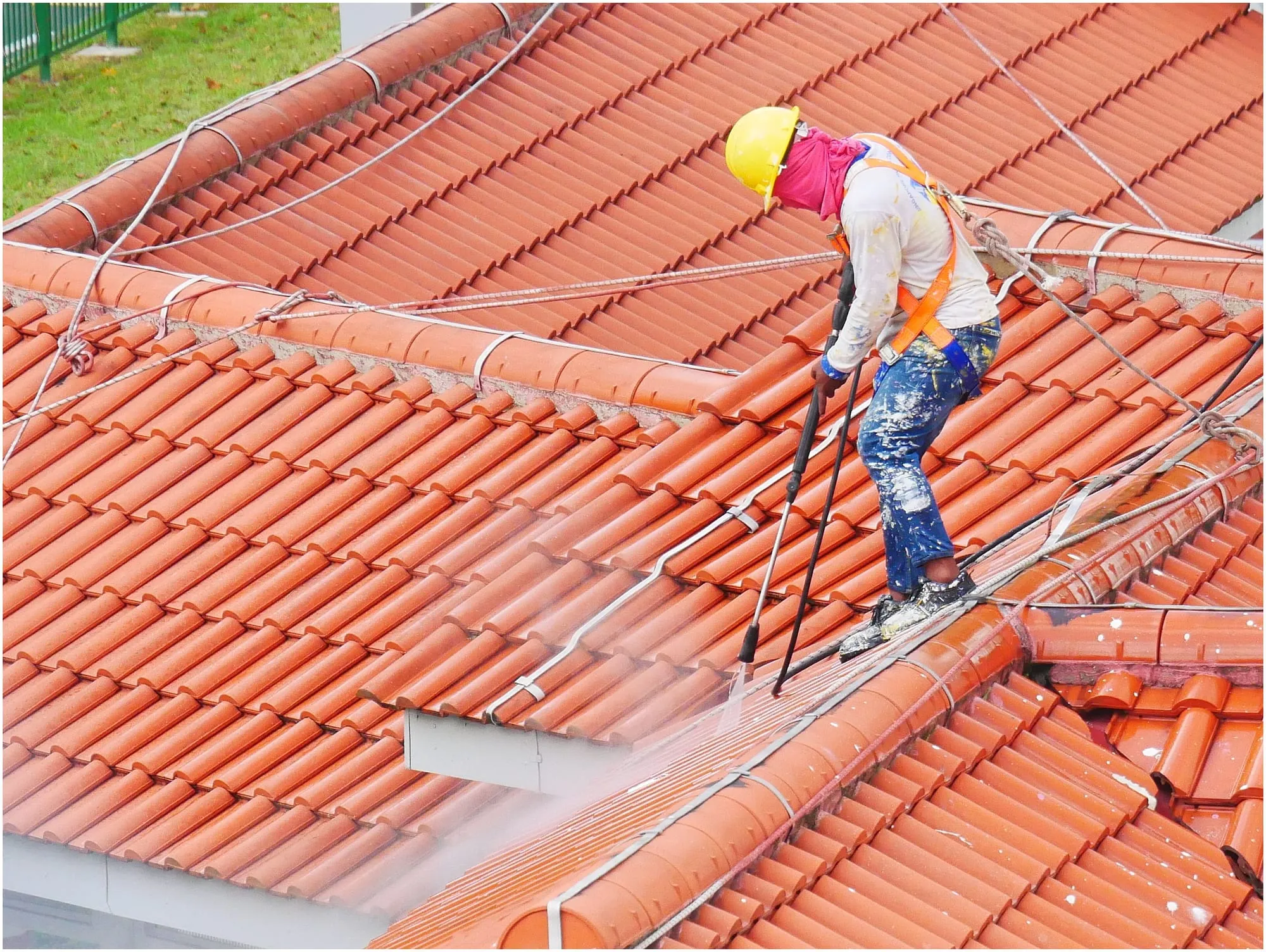
How to Clean an Overhead Water Tank — Step by Step
The full method for a rooftop Sintex, PVC or RCC tank — what a professional does, and what you can safely do yourself.
An overhead tank is the easiest tank on a property to clean and the one most often cleaned badly. The order of operations matters more than the effort.
Before you start
- Close the inlet valve and switch the motor off at the mains
- Plan the timing — do it when the tank is naturally low, not right after a fill
- Check the lid hinge and gasket while you are up there
- Never work alone on a roof with an open manhole
The sequence
Drain to the sludge line. Empty through the outlet, stopping when a few inches remain. Do not scoop out the last layer dry — you will smear it across the base.
Extract the sludge. Professionally this is a wet vacuum through the manhole. Without one, the honest answer is that you cannot fully remove it, only push it toward the drain.
Jet or scrub the walls. High-pressure water breaks biofilm. A brush on its own polishes it. If you are doing this by hand, use a long-handled stiff brush and expect to work the corners and the outlet mouth hardest.
Disinfect properly. Use a disinfectant labelled for potable water systems and follow its dose and contact time. Do not use bleaching powder by the handful, phenyl, detergent, or acid. All four are common and all four are wrong for a drinking-water tank.
Rinse and refill. Rinse until the water runs clear, reseat the lid, reopen the inlet.
Sintex vs RCC — what changes
| Sintex / PVC | RCC / stone | |
|---|---|---|
| Surface | Smooth, non-porous | Porous, holds deposits |
| Biofilm | Lifts with jetting | Needs jetting + mechanised brush |
| Algae risk | High if translucent or sunlit | Lower, but scale is worse |
| Typical clean time | 45–90 min | 90–120 min |
What you genuinely should not DIY
Do not climb inside a tank. Even an overhead tank is a confined space — footing is slippery, the opening is narrow, and there is nobody to reach you quickly. Beyond safety, entering the tank in street clothes reintroduces exactly the contamination you are trying to remove.
Frequently Asked Questions
- Can I use bleaching powder?
- Not by hand and not by eye. Uncontrolled dosing either does nothing useful or leaves the water unpleasant and over-chlorinated. Chlorination should be measured against tank volume.
- How long does a professional take?
- About ninety minutes for a standard 1,000-litre Delhi home tank, including disinfection and refill.
Keep Reading
The Water Tank Cleaning Process — How It Actually Works
Step by step through a professional clean, from the first drain valve to the photo that lands on your WhatsApp.
3 min read
How to Clean an Underground Sump Safely
Sump cleaning is the one job on this site we will actively tell you not to attempt yourself. Here is why, and how it is done properly.
3 min read
The Equipment Used in Professional Water Tank Cleaning
Vacuum units, jetting lances, dosing kit and UV — what each machine does, and how to tell if the crew at your door actually has it.
3 min read