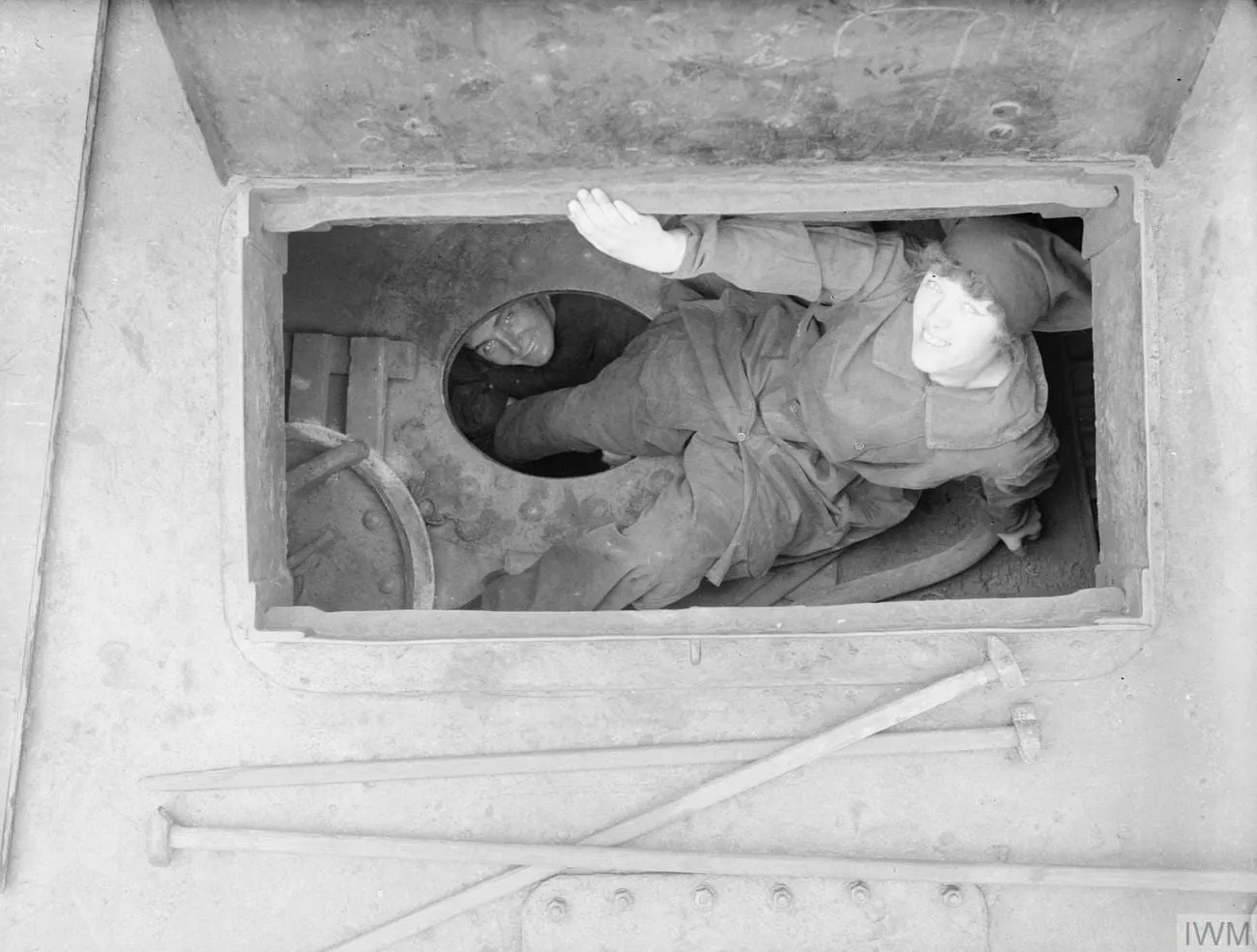
How to Clean an Underground Sump Safely
Sump cleaning is the one job on this site we will actively tell you not to attempt yourself. Here is why, and how it is done properly.
Every year in India people die cleaning underground water tanks and septic structures. Almost always the same way: one person goes in, collapses, and a second goes in to help.
What kills people in sumps
A sealed underground chamber with organic sediment becomes oxygen-deficient. Decomposition produces hydrogen sulphide and carbon dioxide, both heavier than air, both pooling at the base — exactly where a person cleaning stands. Hydrogen sulphide also deadens your sense of smell within seconds, so the warning stops before the danger does.
This is not a theoretical risk in a domestic sump. It is the ordinary risk.
The professional method
- Ventilate the sump before anyone approaches the opening
- Test the atmosphere — oxygen level and gas — before work begins
- Pump out recoverable water, then vacuum-extract the sludge from outside
- Jet the walls, base and corners through the opening with an extension lance
- Apply food-grade disinfectant, then rinse and refill
- Collect and remove extracted silt rather than flushing it into the drain
Note that entry is not on that list. A properly equipped crew cleans a domestic sump without anyone going in.
If entry is genuinely unavoidable
On some very large or awkwardly built reservoirs, entry is required. That triggers a full confined-space protocol: continuous forced ventilation, continuous gas monitoring, harness and retrieval line, and a trained standby person outside who does not enter under any circumstances. If a vendor cannot describe that protocol to you, they should not be entering your sump.
Order matters: sump first
Always clean the sump before the overhead tanks. The overhead tanks refill from the sump — clean them first and you have paid to move silt upstairs.
Frequently Asked Questions
- Can I just pump the sump dry and leave it?
- No. Running a submersible pump dry damages it, and an empty sump with wet sludge is more dangerous, not less — drying sediment releases gas.
- How often should a sump be cleaned?
- Twice a year in Delhi. Every four months if you take tanker deliveries.
Keep Reading

The Water Tank Cleaning Process — How It Actually Works
Step by step through a professional clean, from the first drain valve to the photo that lands on your WhatsApp.
3 min read

How to Clean an Overhead Water Tank — Step by Step
The full method for a rooftop Sintex, PVC or RCC tank — what a professional does, and what you can safely do yourself.
3 min read
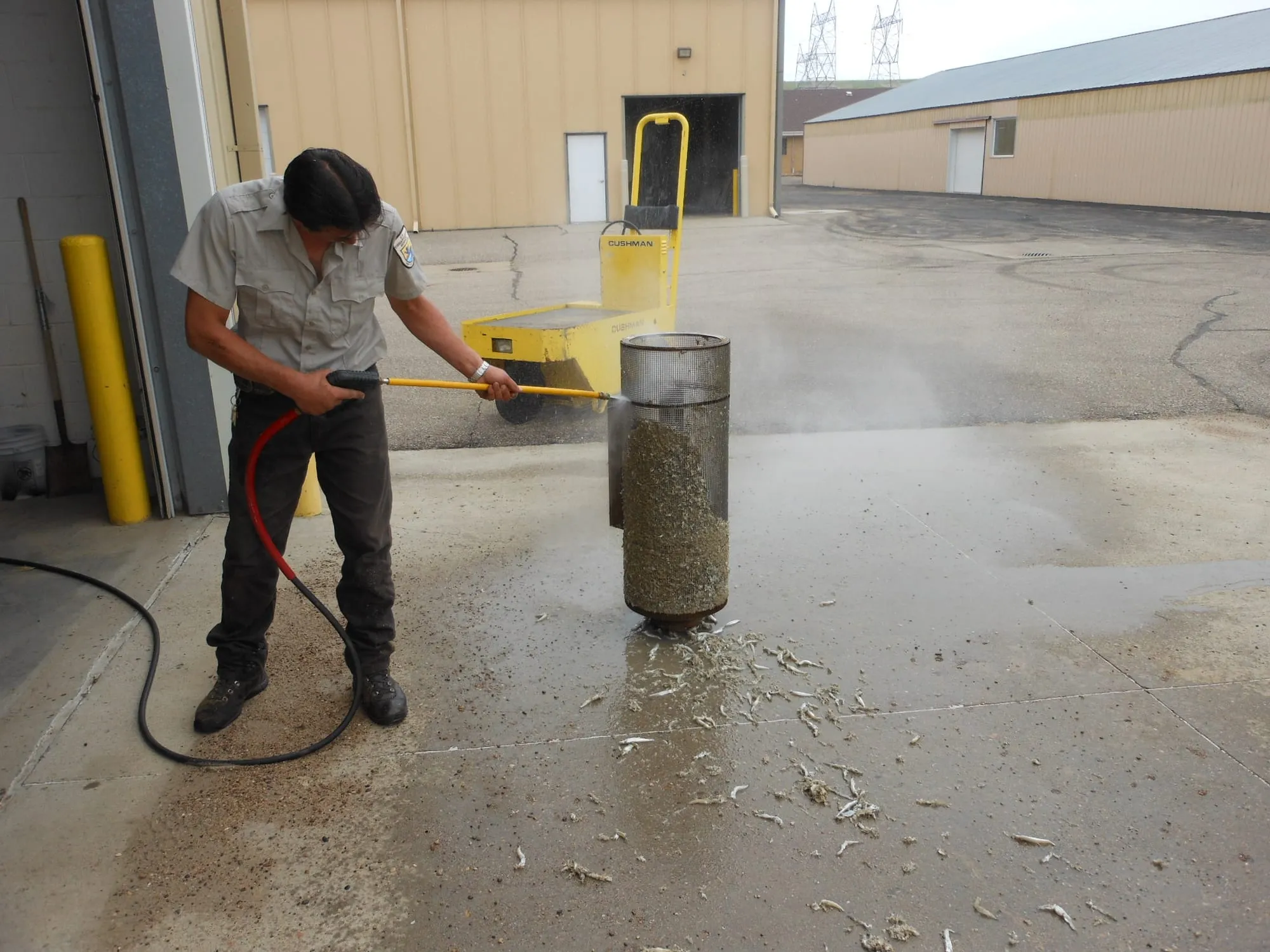
The Equipment Used in Professional Water Tank Cleaning
Vacuum units, jetting lances, dosing kit and UV — what each machine does, and how to tell if the crew at your door actually has it.
3 min read