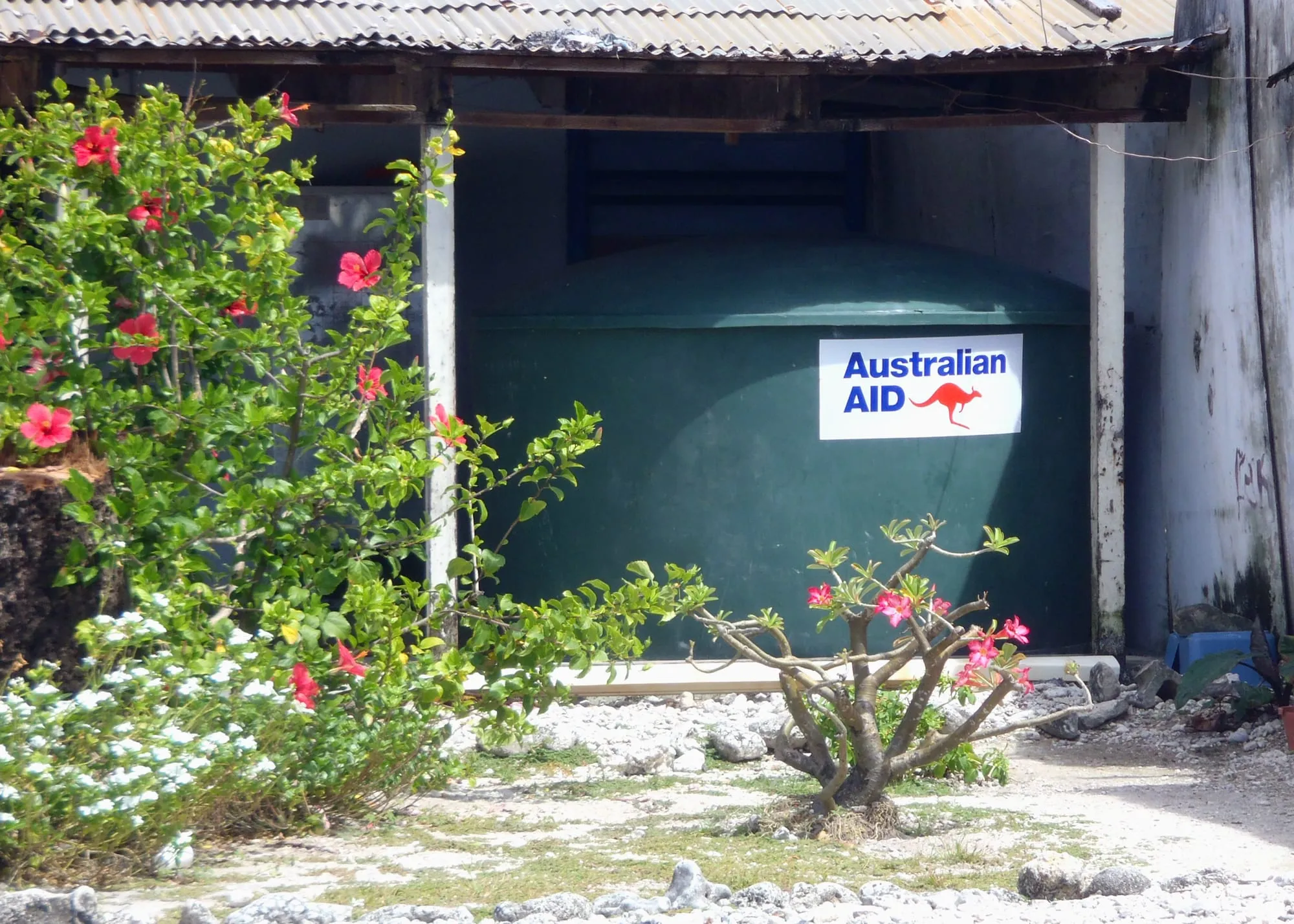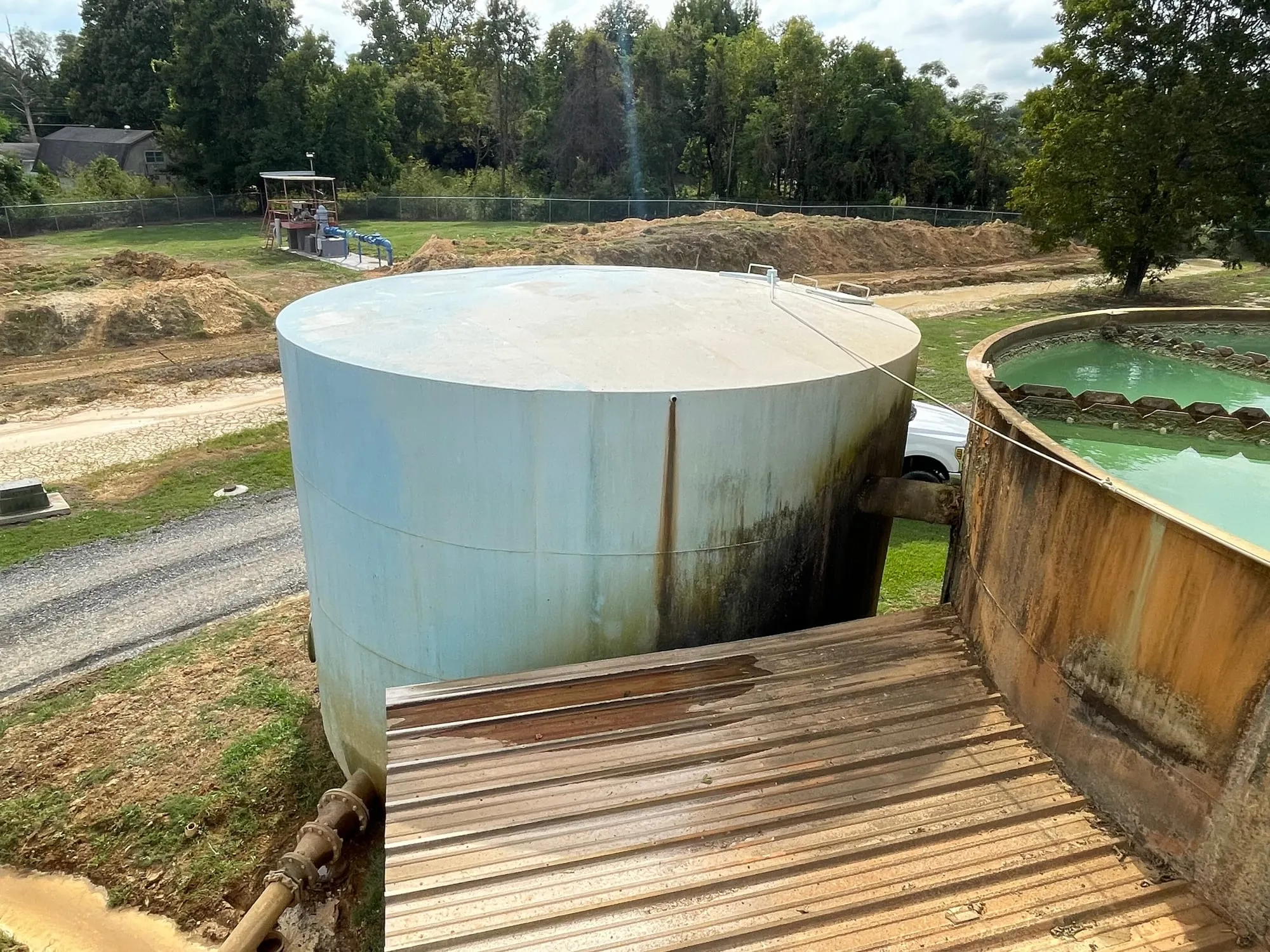
Which Chemicals Are Safe for Water Tank Cleaning?
Food-grade disinfectants, measured chlorination, and the four substances that should never go into a drinking-water tank.
A tank is not a bathroom. What is fine on tiles can be genuinely unsafe in a vessel you drink from, and several of the products commonly used by cheap cleaners fall into exactly that category.
What we use
- Food-grade anti-bacterial disinfectant — approved for potable water systems, applied to all internal surfaces with proper contact time
- Measured sodium hypochlorite — chlorination dosed against calculated tank volume for residual protection after refill
- UV sterilisation — a chemical-free final pass on premium and institutional jobs
What should never go in a drinking-water tank
| Substance | Why it is used | Why it is wrong |
|---|---|---|
| Bleaching powder by hand | Cheap, familiar | Uncontrolled dose; either ineffective or leaves water harsh and over-chlorinated |
| Phenyl / floor cleaner | Smells "clean" | Not potable-safe; residue clings to walls and leaches for weeks |
| Detergent / soap powder | Foams, looks like it is working | Extremely hard to rinse out; foaming persists through several fills |
| Acid (HCl / toilet cleaner) | Removes scale fast | Attacks RCC and metal fittings; dangerous residue in potable water |
Contact time is the part people skip
A disinfectant that is sprayed and immediately rinsed has not disinfected anything. Every approved product has a stated contact time — usually several minutes on wetted surface — and skipping it is the most common way a technically correct chemical produces a technically useless result.
Safe to drink — when?
About an hour after refill with the products we use. If a cleaner cannot tell you what they applied and how long you should wait, that is your answer about whether they measured anything.
Frequently Asked Questions
- Is chlorine bad for us?
- Measured chlorination at potable-water doses is how municipal supply is protected worldwide. The problem is never chlorine — it is unmeasured chlorine.
- Are your chemicals safe for pets and plants?
- Yes, at the doses used and after normal refill. Water drained during cleaning is safe for garden use.
Keep Reading
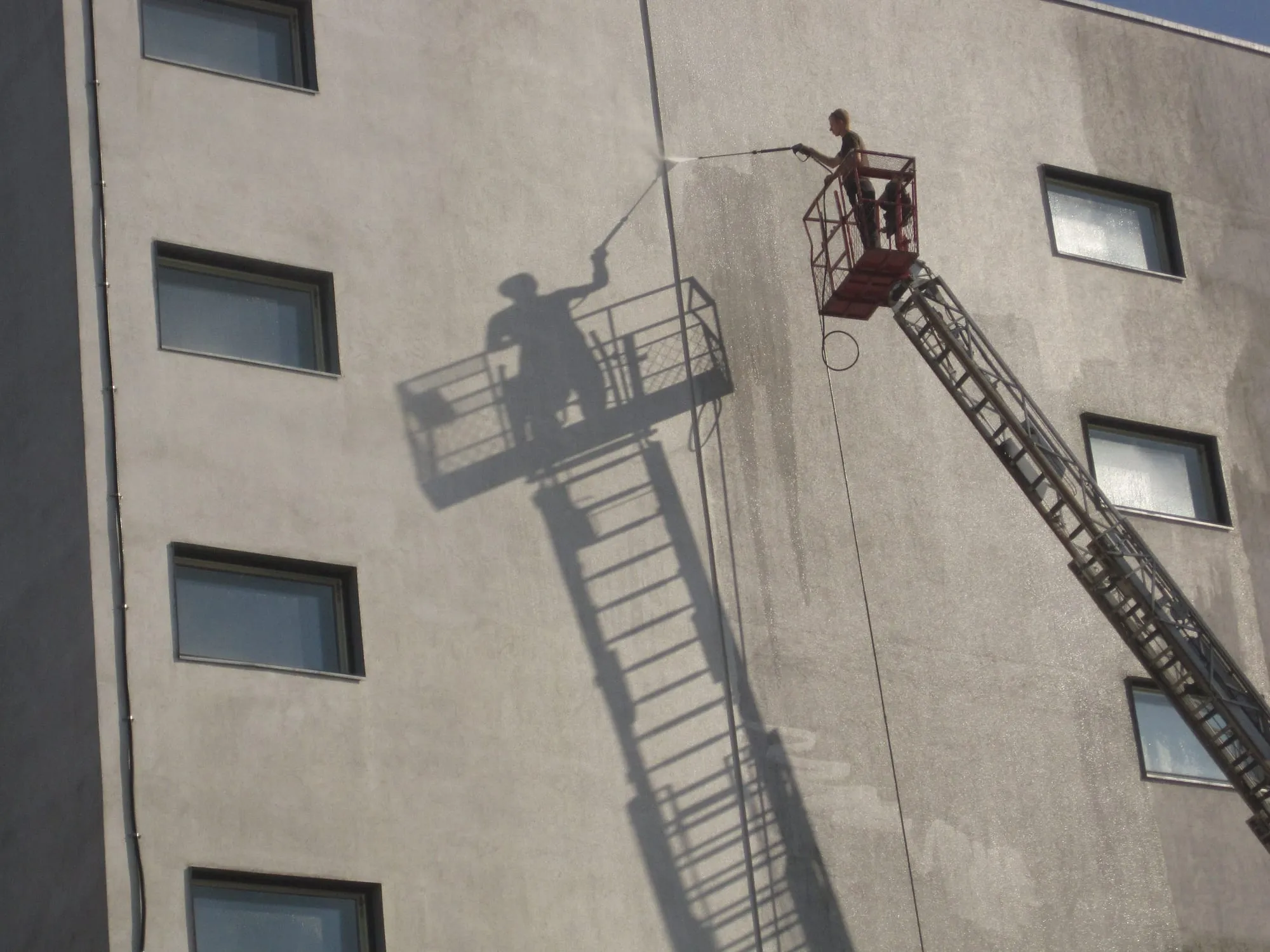
The Water Tank Cleaning Process — How It Actually Works
Step by step through a professional clean, from the first drain valve to the photo that lands on your WhatsApp.
3 min read
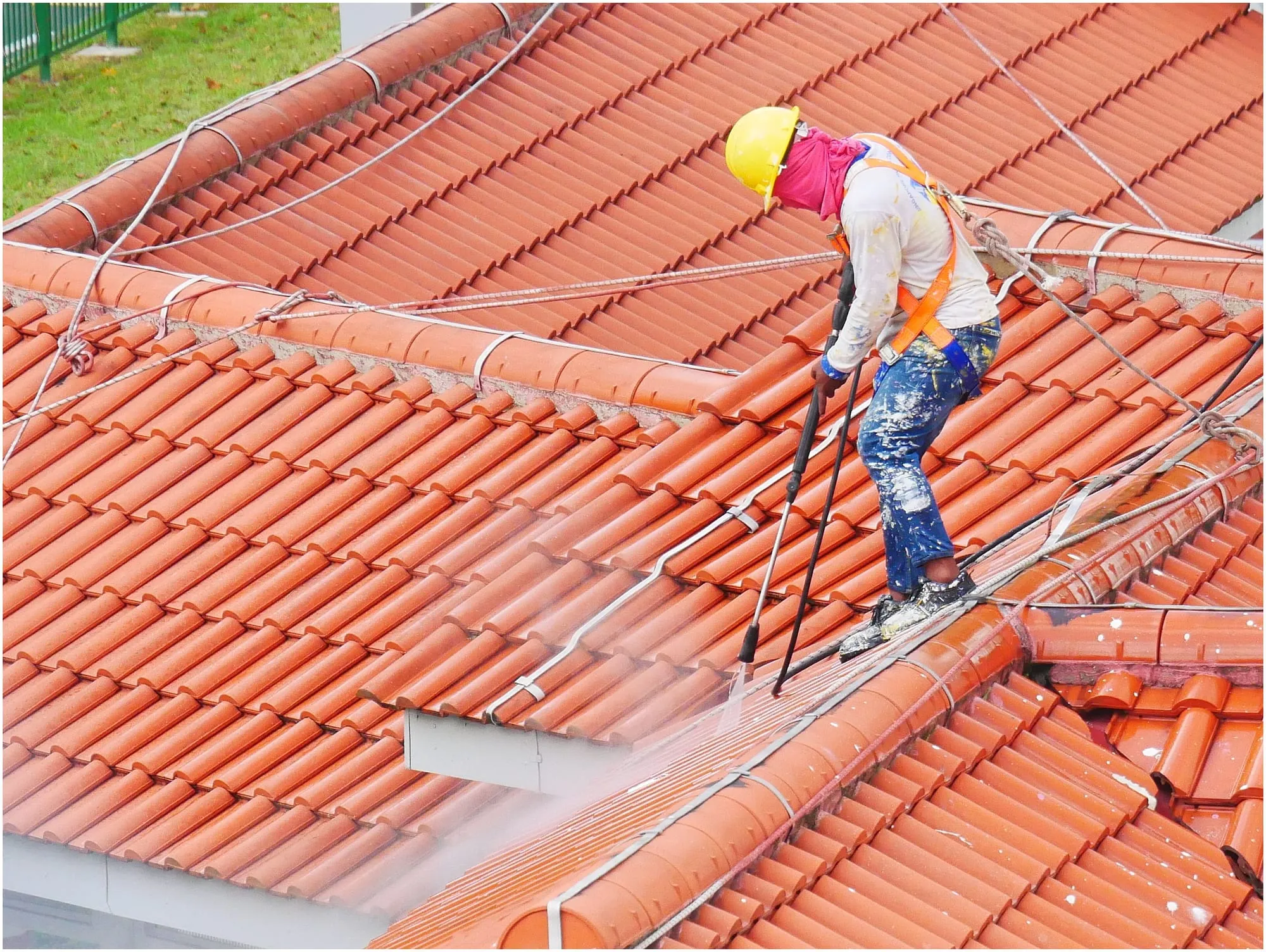
How to Clean an Overhead Water Tank — Step by Step
The full method for a rooftop Sintex, PVC or RCC tank — what a professional does, and what you can safely do yourself.
3 min read
How to Clean an Underground Sump Safely
Sump cleaning is the one job on this site we will actively tell you not to attempt yourself. Here is why, and how it is done properly.
3 min read